
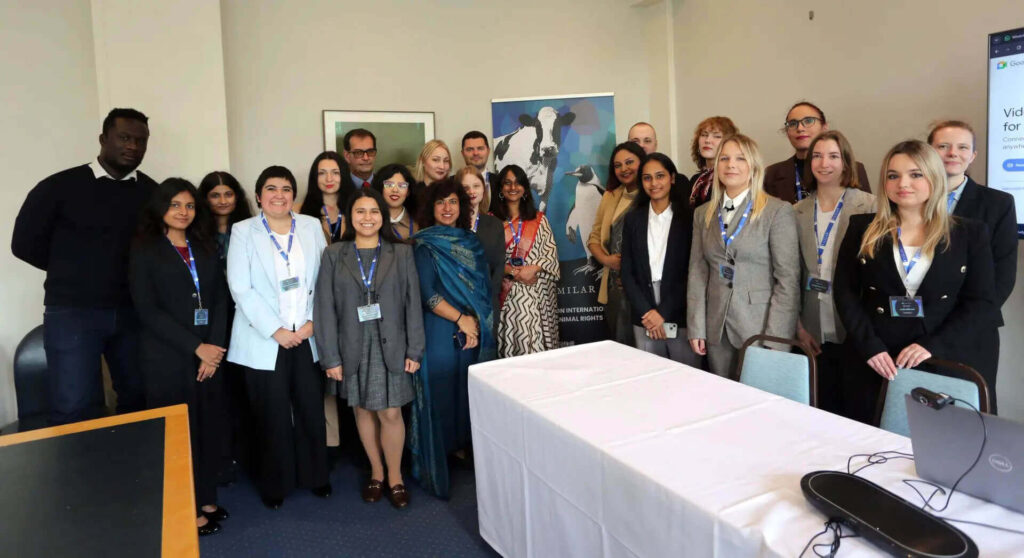
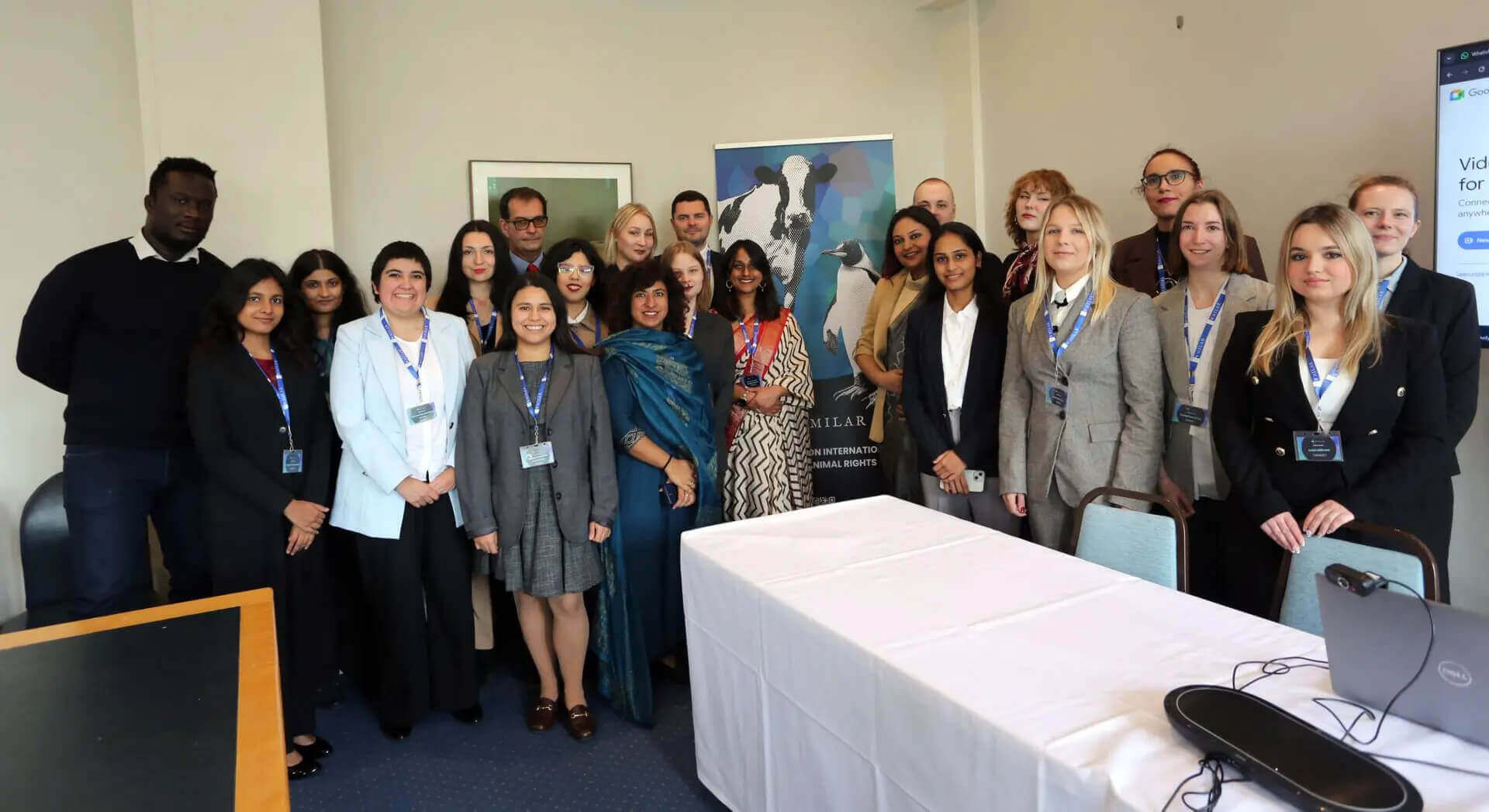
World-class mooting, a new name to commemorate our departed hero, and quite possibly the most impressive lineup of international and animal rights law experts to grace an event… the Paula Sparks World Moot on International Law and Animal Rights (Sparks Moot) wrapped up its first full cycle in style at St Hilda’s College, Oxford, from 6-7 June 2025.
The 2024-2025 WMILAR cycle was the first ever moot court and training courses on international law and animal rights. After competitive regional rounds across the globe, the top teams from five continents descended on Oxford, UK, for the showpiece event: a two-day grand finale.
With students and experts from almost two dozen countries registering to attend the World Finals in-person, and guests from another dozen countries joining online, the event was a diverse and dynamic meeting of cultures, legal systems, and mooting styles. In-person student teams from Chile, Croatia, Finland, Germany, India, and the USA competed alongside online teams from Ethiopia, India, and South Africa, for the honour of being named the World Champions.
Over the two days, the World Finals also brought together expert panels of speakers and moot court competition judges who shared their knowledge and experience, inspiring participants and attendees.
We learnt so much about international law and animal rights from top practitioners, judges, scholars, and advocates, including, most prominently:
- Mr. Wayne Hsiung, Executive Director of The Simple Heart Initiative
- Judge Karla Andrade Quevedo, Judge and Vice President of the Constitutional Court of Ecuador
- Prof. William Schabas, Professor at Middlesex University
- Dr. Reuven (Ruvi) Ziegler, Associate Professor at the University of Reading
- Hon. Eugene Fahey, retd. Judge at the New York State Court of Appeals
- Prof. David Bilchitz, Professor at the Universities of Johannesburg and Reading
- Mr. Alan Bates, Barrister at Monckton Chambers
Other competition judges included:
- Ms. Arunima Kedia, Associate General Counsel at People for the Ethical Treatment of Animals India
- Ms. Mishi Aggarwal, Specialist at Humane World for Animals India
- Mr. Armand Tanoh, Deputy Counsel at the International Criminal Court
- Ms. Shama Abbasi, Assistant Professor at O.P. Jindal Global University
- Dr. Laura Ausserladscheider Jonas, Partner at Legal Light
- Dr. Eirini Fasia, Lecturer at Wageningen University
- Dr. Visa Kurki, Associate Professor at the University of Helsinki
- Dr. Yoriko Otomo, Director of the Global Research Network
- Ms. Chhaya Bhardwaj, Associate Professor at O.P. Jindal Global University
- Dr. Marina Lostal, Senior Lecturer at the University of Essex
- Ms. Nancy Tafadzwa Makuvise, Lecturer at Great Zimbabwe University
- Mr. Jayasimha Nuggehalli, Chief Operations Officer at Global Food Partners
- Ms. Shreya Paropkari, Legal Counsel at Humane World for Animals India
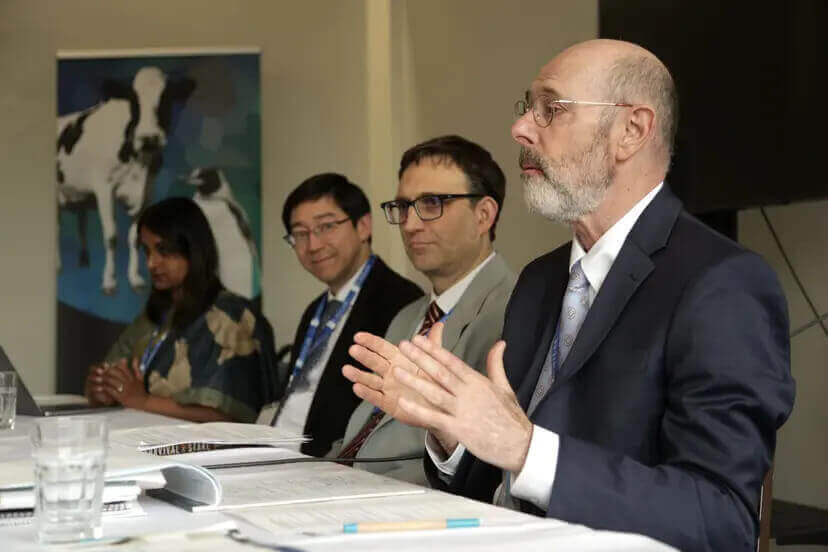
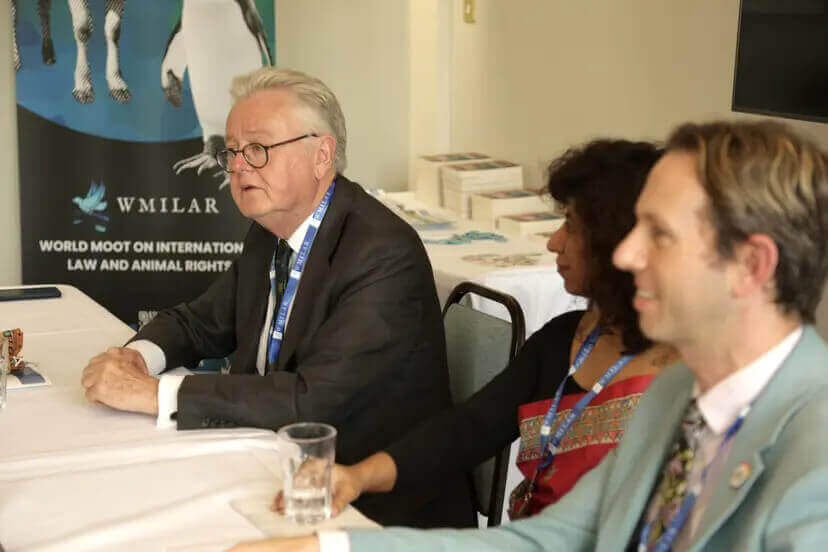
Over the two days, the World Finals also brought together expert panels of speakers and moot court competition judges who shared their knowledge and experience, inspiring participants and attendees.
We learnt so much about international law and animal rights from top practitioners, judges, scholars, and advocates, including, most prominently:
- Mr. Wayne Hsiung, Executive Director of The Simple Heart Initiative
- Judge Karla Andrade Quevedo, Judge and Vice President of the Constitutional Court of Ecuador
- Prof. William Schabas, Professor at Middlesex University
- Dr. Reuven (Ruvi) Ziegler, Associate Professor at the University of Reading
- Hon. Eugene Fahey, retd. Judge at the New York State Court of Appeals
- Prof. David Bilchitz, Professor at the Universities of Johannesburg and Reading
- Mr. Alan Bates, Barrister at Monckton Chambers
Other competition judges included:
- Ms. Arunima Kedia, Associate General Counsel at People for the Ethical Treatment of Animals India
- Ms. Mishi Aggarwal, Specialist at Humane World for Animals India
- Mr. Armand Tanoh, Deputy Counsel at the International Criminal Court
- Ms. Shama Abbasi, Assistant Professor at O.P. Jindal Global University
- Dr. Laura Ausserladscheider Jonas, Partner at Legal Light
- Dr. Eirini Fasia, Lecturer at Wageningen University
- Dr. Visa Kurki, Associate Professor at the University of Helsinki
- Dr. Yoriko Otomo, Director of the Global Research Network
- Ms. Chhaya Bhardwaj, Associate Professor at O.P. Jindal Global University
- Dr. Marina Lostal, Senior Lecturer at the University of Essex
- Ms. Nancy Tafadzwa Makuvise, Lecturer at Great Zimbabwe University
- Mr. Jayasimha Nuggehalli, Chief Operations Officer at Global Food Partners
- Ms. Shreya Paropkari, Legal Counsel at Humane World for Animals India
Day One: A New Name, World-Famous Experts, and Quality Quarter-Final Rounds
After the welcome lunch, the World Finals began with an Opening Ceremony, the first part of which was delivered by Founder and Director, Ms. Ankita Shanker. She used this occasion to officially announce our new name in honour of her dear friend and animal law movement leader, Paula Sparks, who was taken from us far too soon. The Sparks Moot will henceforth be known as the Paula Sparks World Moot on International Law and Animal Rights (Sparks Moot).
Ms. Shanker then formally opened the event with a stirring call to action: “We are about to make history, and eventually play our part in re-shaping the course of history.”
Ms. Shanker and female genital mutilation law expert Ms. Shama Abbasi then spoke powerfully about social justice and the mechanisms that cause the relegation of vulnerable persons (including non-human persons), introducing some of the key themes of the moot.
A Plenary Address from Mr. Wayne Hsiung and an Opening Address by Judge Karla Andrade Quevedo further set the tone. Activist and educator Mr. Hsiung imparted two key teachings to future animal lawyers: first, to embed themselves within movements, and second, to interact with both the making and breaking of law. Judge Andrade, joining remotely from Ecuador where she sits as a judge and the Vice President of the Constitutional Court, explained the context and significance of the Estrellita ruling of 2022, before detailing some positive and negative elements of the South American country’s constitution, which protects animals to some extent as part of biodiversity but allows for their continued exploitation as resources.
Then, the ceremony closed and the mooting began. “The Case before the Court is The Case Concerning the Legality of Animal Agriculture and Aquaculture,” the bailiff announced. “The parties are Applicant, the Democratic Republic of Seitan, versus Respondent, the Kingdom of Tempeh.” The quarter-finals kicked off with the Josip Juraj Strossmayer University of Osijek against BR Ambedkar University, followed by the University of Lapland against Haramaya University of College of Law, and finally by the University of Chile against Vermont Law and Graduate School.
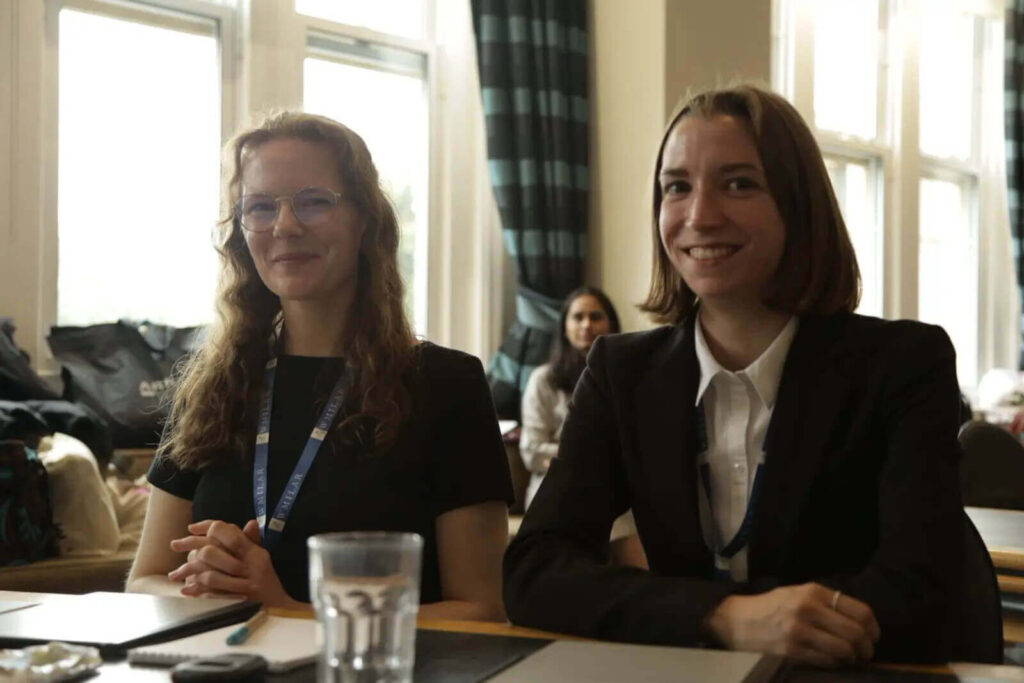
Across the quarter-finals, teams advanced compelling legal arguments, drawing on key international legal concepts, including state responsibility, standing, treaty reservations, circumstances precluding wrongfulness, to make convincing cases in favour and against the defendant’s alleged breaches of the (fictitious) Animal Rights Treaty, modelled after Ecuador’s Animal Rights Bill 2022. Teams also drew on domestic animal law jurisprudence from across the globe to bring in regional animal rights litigation approaches and perspectives.
Judges provided feedback to all the mooters, and ultimately scored the team from the University of Chile the highest, granting them safe passage to the next day’s semi-finals.
Day Two: Experts Everywhere, History is Made, and the Winner Is…
Mooting started early on Day Two, with the first of the two fiercely competitive Semi-Finals, the first between the University of Cape Town and the University of Chile, and the second between University of Leipzig and National Law University Jodhpur.
At the networking lunch, as distinguished judges and scholars started pouring in to judge the Final Round, attendees had the chance to meet the giants on whose shoulders these fields stand.
In the afternoon, a breathtaking Final Round took place between two outstanding teams. The University of Leipzig (Applicant) and University of Chile (Respondent) each presented their arguments for 45 minutes under the pinpoint scrutiny of judges Mr. Alan Bates, Ms. Nancy Makuvise, Mr. Jayasimha Nuggehalli, Ms. Shreya Paropkari, Prof. William Schabas, Dr. Ruvi Ziegler, and Hon. Eugene Fahey (presiding). Both teams excelled in developing novel interpretations of the case and sustaining their legal reasoning over an extended period.
Before the winners were announced at the Awards Ceremony, attendees were treated to two incredible panel discussions. First, Prof. William Schabas and Dr. Ruvi Ziegler shared insights into Public International Law, moderated by Ms. Abbasi. Then, Hon. Eugene Fahey, Prof. David Bilchitz, and Mr. Alan Bates explored the intricacies of Comparative Animal Law, drawing on the experience of the United States, South Africa, and the United Kingdom, moderated by Ms. Shanker.
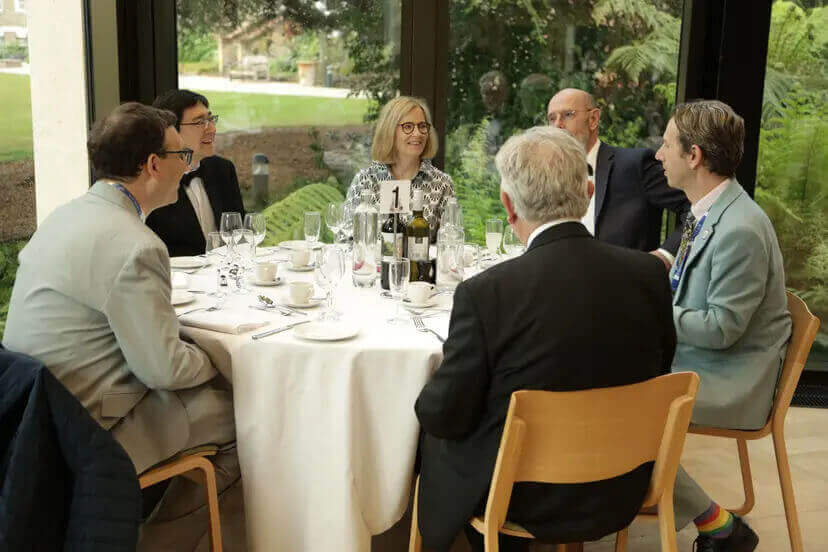
During the Awards Ceremony, the University of Leipzig duo (Josephine Götze and Marie Kolb) was crowned the inaugural World Champions of the First Edition of the Sparks Moot. Individual accolades went to Marie Kolb, who won the Eugene M. Fahey Award for Best Oralist, and the University of Lapland team, who bagged the David Israel Bilchitz Award for Best Memo. Heartfelt congratulations to all; each and every team excelled and did themselves and their institutions proud!
Prizes included internship opportunities with the Global Research Network, a private plant-based cooking class by Ms. Laura Ausserladscheider Jonas, a 500 EUR monetary award sponsored by the Finnish Animal Rights Law Society, and the chance to conduct research under the mentorship of Prof. Maneesha Deckha.
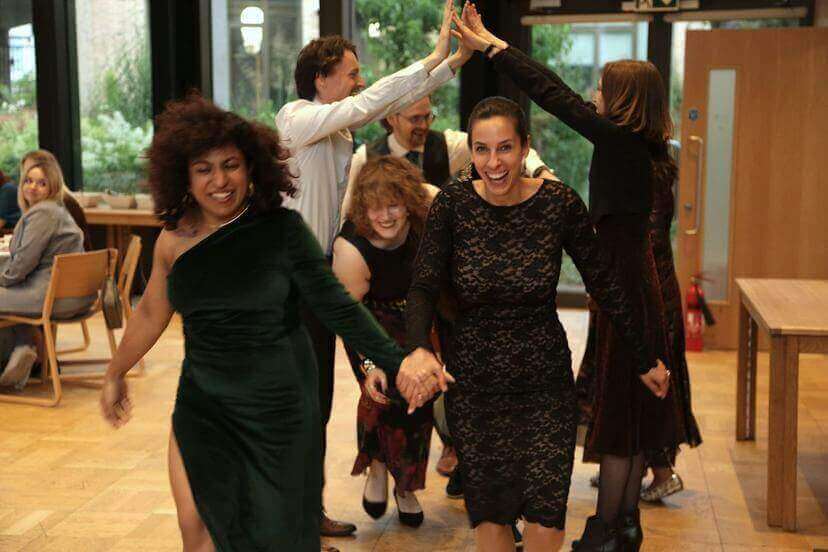
The first cycle of the Sparks Moot was rounded off in style with a well-deserved drinks reception, formal dinner, cèilidh, and disco. Guests had “the time of [their] lives” and the “most fun in years”; it was a much-needed change of pace, as students, scholars, judges, and practitioners gathered together to eat, drink, and dance the night away! One iconic dance song from the home country of each guest was also played.
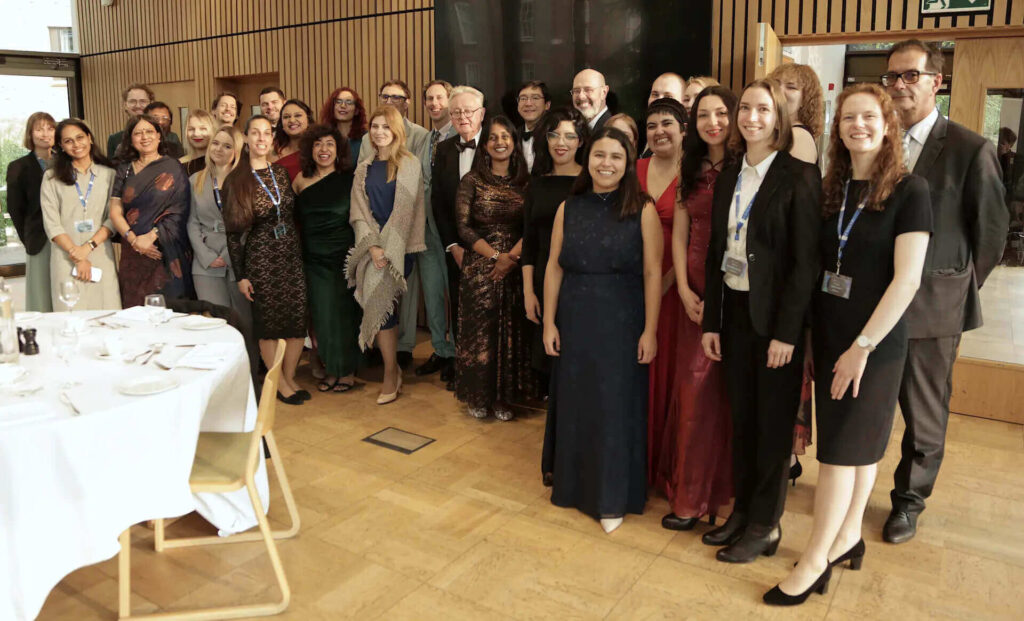
Thank you to everyone who came together to make the event “a truly unforgettable experience”, from the judges and speakers to participants, and external guests to the whole Sparks Moot team. A special thanks to the wonderful photography team, Mr. Blake McGrow and Ms. Silvia Chiara, and the incredible band, Guerrilla Ceilidh, as well the Events Team at St Hilda’s College!
“My brainchild is all grown up,” said Ms. Shanker. “These were the best two days of my professional life.”
“The Sparks Moot is inspiring so many people to engage with animal rights law from an international perspective. I couldn’t be happier to see the future of animal rights law in such capable hands.”
- See what attendees and others had to say here:
- Organiser Ankita Shanker; Ankita Shanker
- Organiser Daniel Clark
- Competition Judge Chad Osorio
- Coach Tomislav Nedić
- Participant Constanza Frías Reinoso
- Participant Javiera Fritz Cortez
- Participant Josephine Gotze
- Participant Marie Kolb; Marie Kolb
- Center for Studies in Computer Law, Faculty of Law, University of Chile
- Directorate of International Relations, University of Chile
- University of Chile
- Fundación Derecho y Defensa Animal
- Russi & Eguiguren
- Faculty of Law, University of Leipzig
- JURios